
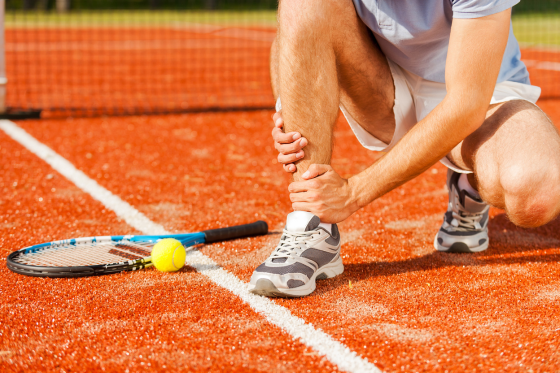
Summer should keep you moving, not slow you down. Learn the 5 most common summer injuries, how to prevent them, and when Houghton Physical Therapy can help you stay active and healthy.
Summer has a way of getting people moving again.
The weather improves, the days get longer, and suddenly calendars begin filling up with gardening projects, hiking trips, vacations, pickleball games, long walks, yard work, swimming, and outdoor activities that may have been on pause during the colder months.
And honestly, that is a good thing.
Movement is one of the best things you can do for your body. Staying active supports heart health, mobility, strength, energy, confidence, mental wellbeing, and long term independence. The human body was designed to move.
But every summer, we also see a common pattern.
People go from doing very little during the winter months to suddenly doing everything all at once.
A full weekend in the garden. A five mile hike after months of inactivity. Four pickleball matches in one afternoon. Running mileage doubled overnight.
The issue usually is not activity itself.
The issue is doing too much, too fast, without preparing the body for it.
At Houghton Physical Therapy, our goal is not to tell people to slow down or stop doing what they love. Our goal is to help people stay active safely and confidently without being sidelined by preventable injuries.
Here are five of the most common summer injuries we see and how you can avoid them this season.
Gardening Related Back Strain: Don’t Let Yard Work Wreck Your Weekend
Gardening may not seem like a workout, but your body often disagrees.
Every summer, many people experience low back stiffness, soreness, or difficulty moving after spending long weekends planting flowers, pulling weeds, spreading mulch, lifting soil bags, or working in awkward positions for hours at a time.
We often hear things like:
“I only hurt when I garden.”
“My back locked up after working outside all weekend.”
“I could barely stand up after kneeling.”
The reason this happens is often what we call the “weekend warrior” effect.
Your body may spend most of the week sitting, working indoors, or staying relatively inactive. Then suddenly, on a Saturday morning, you ask it to bend, twist, lift, carry, and kneel for several hours straight.
That combination can overload muscles, joints, and tissues that simply were not prepared for the demand.
Poor lifting mechanics, limited mobility, reduced core strength, and repetitive bending can all contribute.
The good news is that many gardening related injuries are preventable.
A few simple strategies can make a major difference:
- Take a short walk or perform gentle stretches before gardening
- Alternate positions frequently instead of staying bent over
- Use kneeling pads or raised gardening tools when possible
- Break larger projects into smaller sessions
- Lift smarter instead of trying to muscle through heavy loads
At Houghton PT, we also look at the bigger picture.
Todd often talks about the body like a fuse box. Pain is not always coming from the place you feel it most.
Back discomfort is often connected to limitations in hip mobility, core stability, posture, or movement patterns throughout the body.
That is why treatment may involve much more than just the lower back itself.
Depending on the individual, treatment could include:
- Manual therapy
- Shockwave therapy
- Movement retraining
- Strength and mobility work
- Core stability exercises
The goal is not simply temporary relief. The goal is helping your body move better long term.
Because you should not have to give up gardening just because your body needs a better strategy.
Pickleball and Tennis Elbow: Don’t Let Arm Pain Keep You Off the Court
Pickleball continues to explode in popularity every summer, and for good reason.
It is social, competitive, active, and accessible for many age groups.
But with that increase in participation has also come a sharp rise in elbow related injuries.
Many people begin noticing:
- Pain gripping a paddle or racket
- Tenderness around the elbow
- Soreness lifting objects
- Weakness in the forearm
- Increased discomfort after playing
Most people immediately assume the elbow itself is the entire problem.
But often, it is more complicated than that.
Overuse is certainly part of the picture. Playing too much too quickly without proper recovery can overload the tissues around the elbow.
However, weakness or poor mechanics elsewhere in the body can also contribute significantly.
Shoulder instability, neck stiffness, grip mechanics, wrist mobility limitations, and overall movement patterns can all increase stress on the elbow over time.
That is why simply resting the elbow may not fully solve the issue.
Prevention strategies can include:
- Warming up before matches
- Improving grip mechanics
- Strengthening the shoulders and forearms
- Incorporating mobility work
- Allowing proper recovery between sessions
At Houghton PT, we help identify why symptoms developed in the first place.
Treatment may include:
- Shockwave therapy
- Dry needling
- Manual therapy
- Strengthening exercises
- Movement assessments
The goal is not to stop you from playing.
The goal is helping you continue playing smarter, stronger, and longer.
Hiking Ankle Sprains: Stay Safe on the Trails This Summer
Summer hiking season is one of the best parts of the year.
Fresh air, scenic trails, mountain views, and outdoor adventure can be incredible for both physical and mental health.
But uneven terrain can also expose weaknesses that may not show up during normal daily activity.
Ankle sprains remain one of the most common hiking injuries we see every summer.
Sometimes it is a simple misstep on loose gravel. Sometimes fatigue sets in during a long hike and stability decreases. Other times, the body simply lacks the balance or ankle control needed for uneven terrain.
Common symptoms may include:
- Rolling the ankle
- Swelling and stiffness
- Difficulty walking
- Reduced confidence on trails
- Repeated ankle injuries over time
Unfortunately, many people never fully rehabilitate ankle sprains.
They rest for a few days, wait until the swelling improves, and return to activity without rebuilding stability and balance properly.
That can lead to recurring issues for years.
At Houghton PT, we want people to understand that “weak ankles” do not have to be permanent.
Physical therapy can help improve:
- Balance
- Stability
- Strength
- Confidence
- Injury prevention strategies
We also guide patients through a proper return to activity progression instead of rushing back too quickly.
To help prevent ankle injuries this summer:
- Strengthen ankle and hip muscles
- Improve balance through single leg exercises
- Wear proper hiking footwear
- Use hiking poles on difficult terrain
- Warm up before longer hikes
One bad step should not mean giving up the trails you love.
Running Related Knee Pain: Why It Might Not Actually Be Your Knee
Every summer, runners become more active.
Mileage increases. Training intensifies. Races fill the calendar.
And not surprisingly, knee discomfort often follows.
Many runners experience:
- Knee pain after running
- Aching with stairs
- Tightness around the knee
- Symptoms after increasing mileage
- Reduced confidence while training
But here is something important many runners do not realize.
Most knee pain is not actually a knee problem.
The knee is often the area where symptoms appear, but the true issue may come from somewhere else entirely.
Weak hips, reduced glute strength, poor running mechanics, limited ankle mobility, back dysfunction, or lack of strength training can all increase stress on the knee.
This is why rest alone often provides only temporary improvement.
At Houghton PT, we focus heavily on identifying the true source of the problem.
We may evaluate:
- Running mechanics
- Hip strength
- Mobility restrictions
- Core stability
- Training habits
- Recovery strategies
Treatment often includes individualized strengthening programs and gradual return to running progressions.
To help prevent summer running injuries:
- Increase mileage gradually
- Prioritize strength training
- Respect recovery days
- Wear appropriate footwear
- Consider heart rate zone training for longer distances
Knee discomfort does not automatically mean your running days are over.
In many cases, your body simply needs better support, smarter progression, and improved movement efficiency.
Shoulder Injuries From Swimming, Painting and Summer Yard Work
Shoulder injuries are another common summer issue because so many seasonal activities involve repetitive overhead movements.
Swimming, painting, trimming trees, cleaning gutters, lifting overhead, and outdoor projects can all place significant stress on the shoulder complex.
People often notice:
- Pain reaching overhead
- Difficulty sleeping comfortably
- Shoulder stiffness
- Weakness
- Increased discomfort after repetitive work
Shoulders are incredibly mobile joints, but that mobility also makes them vulnerable when strength and movement control are lacking.
Weak rotator cuff muscles, poor posture, muscle imbalances, repetitive overhead movements, and overloading tissues too quickly can all contribute.
The good news is that many shoulder issues respond very well to conservative care when addressed early.
Prevention strategies may include:
- Warming up before activity
- Improving shoulder mobility
- Strengthening upper back and shoulder muscles
- Taking frequent breaks during repetitive tasks
- Avoiding sudden spikes in activity volume
At Houghton PT, we help determine whether symptoms are being driven by:
- Mobility limitations
- Weakness
- Irritated tissues
- Compensation patterns
- Poor mechanics
Treatment options may include:
- Manual therapy
- Dry needling
- Shockwave therapy
- Progressive strengthening
- Movement retraining
Summer projects should create memories, not shoulder problems.
Stay Active This Summer Without Letting Injuries Slow You Down
The reality is this:
You do not need to simply “live with” aches, stiffness, or recurring injuries.
Small issues often become bigger setbacks when ignored for too long.
And in many cases, prevention is far easier than recovery.
Whether you enjoy gardening, hiking, pickleball, swimming, running, or simply staying active with family and friends, your body deserves support that helps you continue doing the things you love confidently.
At Houghton Physical Therapy, our goal is not just helping people get out of discomfort. We help people stay active, move confidently, and continue living the lifestyle they enjoy most.
We believe movement matters.
We believe people should stay active for life.
And we believe you should never feel forced to sit on the sidelines because of preventable injuries.
Not sure what your body may be trying to tell you?
A Free Discovery Visit can help you get clarity before a small issue becomes a bigger setback.
More Free Physical Therapy Information To Help You
- Download Our FREE Physical Therapy Report: 51 Most FAQs About Physical TherapyRead Our Blog: Unlocking Your Full Potential: How PT Helps You Live an Active LifeCheck Out Our YouTube Channel Follow us on social media:
Tags: pain, aches, nutrition, diet, running, summer injuries