

There’s nothing quite like the frustration of lying awake at night, tossing and turning, waiting for sleep that never seems to come.
For many people, poor sleep gets blamed on stress, busy schedules, or too much screen time. And while those factors play a role, they’re often not the full story.
In reality, physical discomfort and nervous system irritation are some of the biggest disruptors of restful sleep.
Neck stiffness. Shoulder tightness. Aching joints. Tingling in the legs. These issues don’t just disappear when the lights go out—they often become more noticeable.
And when the body isn’t comfortable, deep, restorative sleep becomes difficult.
This is exactly where physical therapy improves sleep quality—by addressing the underlying physical and neurological factors that interfere with proper rest.
Let’s take a closer look at how the body and sleep are connected.
How Physical Issues Can Disrupt Your Sleep
The body isn’t designed to stay still for long periods without consequences.
During sleep, several physical changes can increase discomfort and wake the body up:
- Staying in one position increases joint pressure
- Certain positions compress joints and soft tissue
- Inflammation can build overnight
- The nervous system may remain overly sensitive
- Circulation can decrease in certain areas
Over time, these factors make it harder to stay asleep—even if falling asleep wasn’t the problem.
Common conditions that disrupt sleep include:
- Neck and shoulder discomfort
- Lower back stiffness
- Arthritis and joint limitations
- Muscle spasms
- Peripheral neuropathy
- Stress-related muscle tension
It’s no coincidence that many people wake up multiple times a night or feel worse in the morning than they did the night before.
Neck, Shoulder, and Back Issues: The Most Common Sleep Disruptors
Neck, shoulder, and back problems are some of the most common reasons sleep gets interrupted.
These areas are heavily involved in posture and movement throughout the day, so when they’re irritated, they tend to react during periods of stillness.
Common experiences include:
- Waking up every time the body rolls over
- Only being able to sleep on one side
- Tossing and turning to find a comfortable position
- Stiffness first thing in the morning
Side sleeping can compress the shoulder. Lying flat can increase pressure in the lower back. Muscles may tighten overnight as a protective response.
All of this leads to frequent interruptions—and poor sleep quality.
This is another area where physical therapy improves sleep quality by helping restore mobility and reduce mechanical stress on these regions.
Arthritis and Joint Stiffness That Worsens at Night

Arthritis tends to feel worse at night for a simple reason: lack of movement.
During the day, joints stay lubricated through activity. At night, reduced movement allows stiffness to build.
Other contributing factors include:
- Increased inflammation overnight
- Pressure on joints like hips, knees, and shoulders
- Reduced circulation
- Prolonged static positions
Many people report:
- Stiff joints upon waking
- Discomfort after lying still
- Difficulty getting comfortable in bed
When joints can’t move well, sleep becomes fragmented.
Improving joint mobility is one of the key ways physical therapy improves sleep quality in individuals dealing with arthritis-related stiffness.
Neuropathy: When Nerve Symptoms Keep the Body Awake
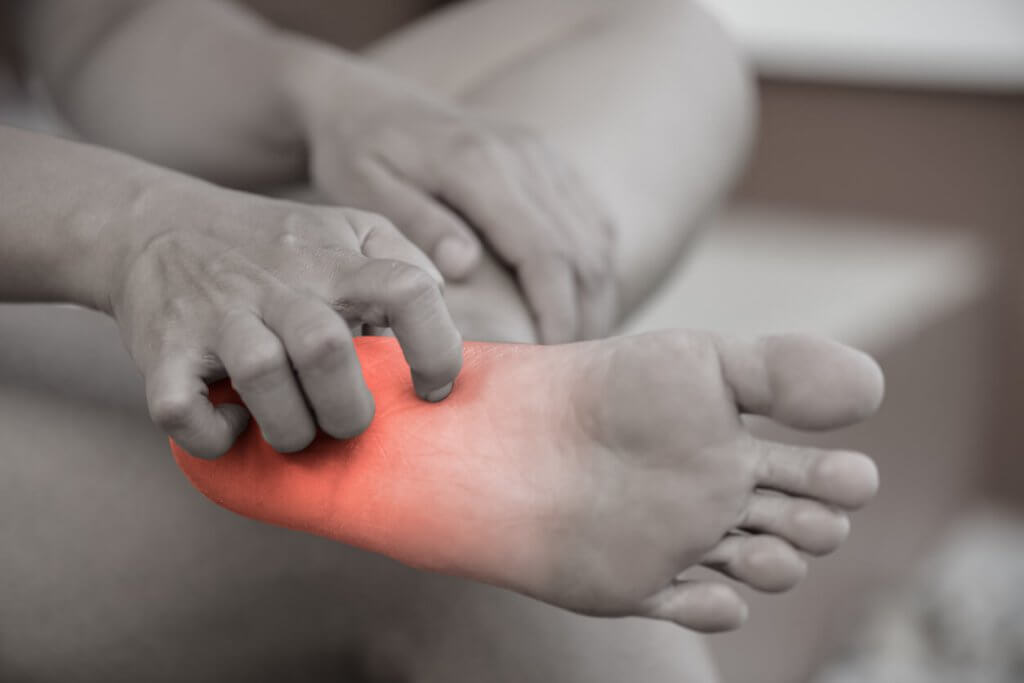
Neuropathy can be especially disruptive to sleep.
Symptoms often include:
- Burning sensations
- Tingling
- Numbness
- Restless or uncomfortable leg sensations
These symptoms tend to feel worse at night because:
- There are fewer distractions
- Nerve sensitivity increases
- Circulation changes while lying down
When the nervous system is irritated, it becomes harder for the body to fully relax.
Physical therapy improves sleep quality here by focusing on:
- Improving circulation
- Restoring nerve mobility
- Calming the nervous system
Addressing these factors can make a significant difference in nighttime comfort.
Why Mornings Can Feel So Difficult After Poor Sleep
For many people, mornings are the hardest part of the day.
Common experiences include:
- Difficulty standing upright
- Feeling stiff and slow when getting out of bed
- Needing time to “loosen up”
- A sensation of the back or joints “locking up”
These issues are often caused by:
- Spinal compression overnight
- Joint stiffness
- Inflamed tissues
- Weak stabilizing muscles
This isn’t just about sleep—it’s a mechanical issue.
And when the body moves better, mornings tend to improve as well.
This is another example of how physical therapy improves sleep quality by addressing the root cause rather than masking symptoms.
How Physical Therapy Helps Improve Sleep
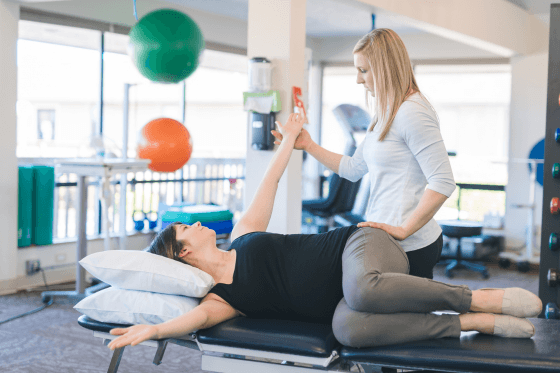
Physical therapy focuses on restoring how the body moves and functions.
Instead of chasing symptoms, it works on correcting the underlying problems that interfere with sleep.
Treatment may include:
- Targeted mobility exercises
- Strengthening weak stabilizing muscles
- Postural correction
- Sleep positioning education
- Manual therapy
- Dry needling
- Shockwave therapy
- Nerve-focused treatments
The result?
- Reduced nighttime discomfort
- Improved circulation
- Better joint mobility
- A calmer nervous system
- More consistent, deeper sleep cycles
This is where physical therapy improves sleep quality in a meaningful and lasting way.
The Nervous System Connection: Managing Stress and Muscle Tension
Sleep isn’t just physical—it’s neurological.
When the body stays in a “fight or flight” state, it becomes difficult to fully relax.
This can lead to:
- Muscle tension in the neck and shoulders
- Shallow breathing patterns
- Restlessness
- Difficulty falling or staying asleep
Even without obvious stress, the nervous system can remain overactive.
Calming the nervous system is essential for quality sleep—and it’s a key focus in modern physical therapy approaches.
How Vagal Nerve Stimulation Can Help Calm the Body
The vagus nerve plays a major role in regulating the body’s stress response.
It helps:
- Control heart rate
- Support relaxation
- Regulate sleep cycles
- Shift the body into recovery mode
When properly stimulated, it activates the parasympathetic nervous system—the “rest and repair” state.
Gentle stimulation techniques can:
- Reduce tension
- Improve nervous system balance
- Support better sleep quality
- Decrease overall discomfort
This is another pathway through which physical therapy improves sleep quality—by addressing the nervous system, not just muscles and joints.
Building a Routine That Supports Better Sleep

Small, consistent habits can make a big difference.
An effective evening routine might include:
- Light mobility exercises
- Gentle stretching
- Breathing exercises
- Reducing screen exposure
- Staying hydrated
- Using proper pillow and sleep support
These habits signal to the body that it’s time to relax and recover.
When combined with physical therapy, they create an environment where sleep can improve naturally.
When to Consider Physical Therapy for Sleep Problems
Sleep disruption isn’t always just a sleep issue.
Physical therapy may be worth considering if sleep is affected by:
- Discomfort that causes waking during the night
- Morning stiffness
- Tingling or burning sensations in the limbs
- Shoulder discomfort when lying down
- Difficulty turning in bed
- Ongoing tension or stress in the body
These are often signs of underlying physical or neurological issues—not just poor sleep habits.
Conclusion
Sleep is when the body repairs, restores, and resets.
When physical discomfort or nervous system stress interferes with that process, it affects everything—from energy levels to overall well-being.
The good news is that these issues are often treatable.
By addressing movement limitations, joint stiffness, and nervous system balance, physical therapy improves sleep quality in a way that goes beyond temporary fixes.
And when sleep improves, everything else tends to follow.
Download our FREE Physical Therapy Report– 51 Most FAQs About Physical Therapy – Houghton Physical Therapy
Read Our Blog – Unlocking Your Full Potential: How PT Helps You Live an Active Life – Houghton Physical Therapy
Want videos on demand? Check Out Our YouTube Channel (Remember to hit subscribe so you don’t miss out on our new videos!)
On social media? Follow us on Facebook, Instagram, or LinkedIn