Many people associate aging with slowing down.
They expect stiffness, weakness, balance changes, and reduced mobility to become inevitable over time. While certain physical changes naturally occur with age, losing confidence with movement is not something people should simply accept without support.
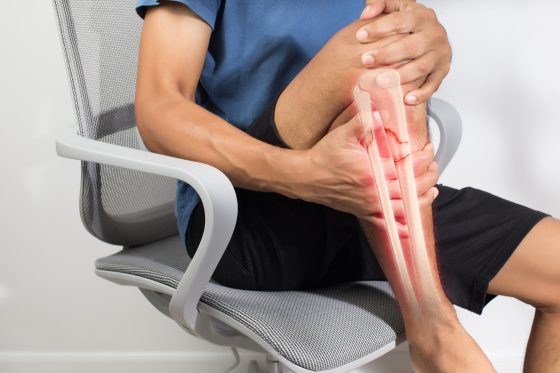
One of the most important factors influencing long term movement and independence is bone health.
Strong bones help support posture, balance, stability, and overall physical resilience. When combined with healthy muscles and regular movement, good bone health may help people remain active and independent for far longer than they expect.
At Houghton Physical Therapy, we believe osteo bone health is about far more than preventing fractures. It is about helping people continue doing the activities they enjoy with greater confidence and strength.
Bone Health Affects Everyday Movement
Bones form the framework that supports the entire body.
Every movement you make relies on healthy interaction between bones, muscles, joints, and the nervous system. Walking, climbing stairs, carrying groceries, exercising, and even maintaining posture all depend on this system working together properly.
When bone density begins decreasing, people may not notice symptoms immediately. However, subtle changes in strength, posture, mobility, and stability can gradually begin affecting daily life.
This is why supporting bone health early often matters.
Bone Density Naturally Changes Over Time
Throughout life, the body continuously rebuilds bone tissue.
As people age, however, the balance between bone breakdown and bone rebuilding gradually shifts. Bone loss may begin occurring faster than bone formation, particularly after age 50.
For many individuals, this process develops slowly and silently.
There may be no pain or obvious warning signs at first. Some people only discover they have reduced bone density after experiencing a fracture, posture changes, or balance related issues.
This is one reason why proactive movement and strength strategies are so important.
Muscle and Bone Health Work Together
Bone health and muscle health are closely connected.
Strong muscles help support the bones by improving stability, movement control, and balance. At the same time, muscles create the loading forces that help stimulate bones to maintain strength.
When activity levels decrease, both muscles and bones may gradually weaken together.
This combination may contribute to:
• Reduced mobility
• Increased stiffness
• Poorer balance
• Greater fear of falling
• Reduced confidence during activity
Supporting muscle strength often plays an important role in supporting bone health too.
Why Resistance Training Matters
Many people are surprised to learn how valuable resistance training can be for healthy aging.
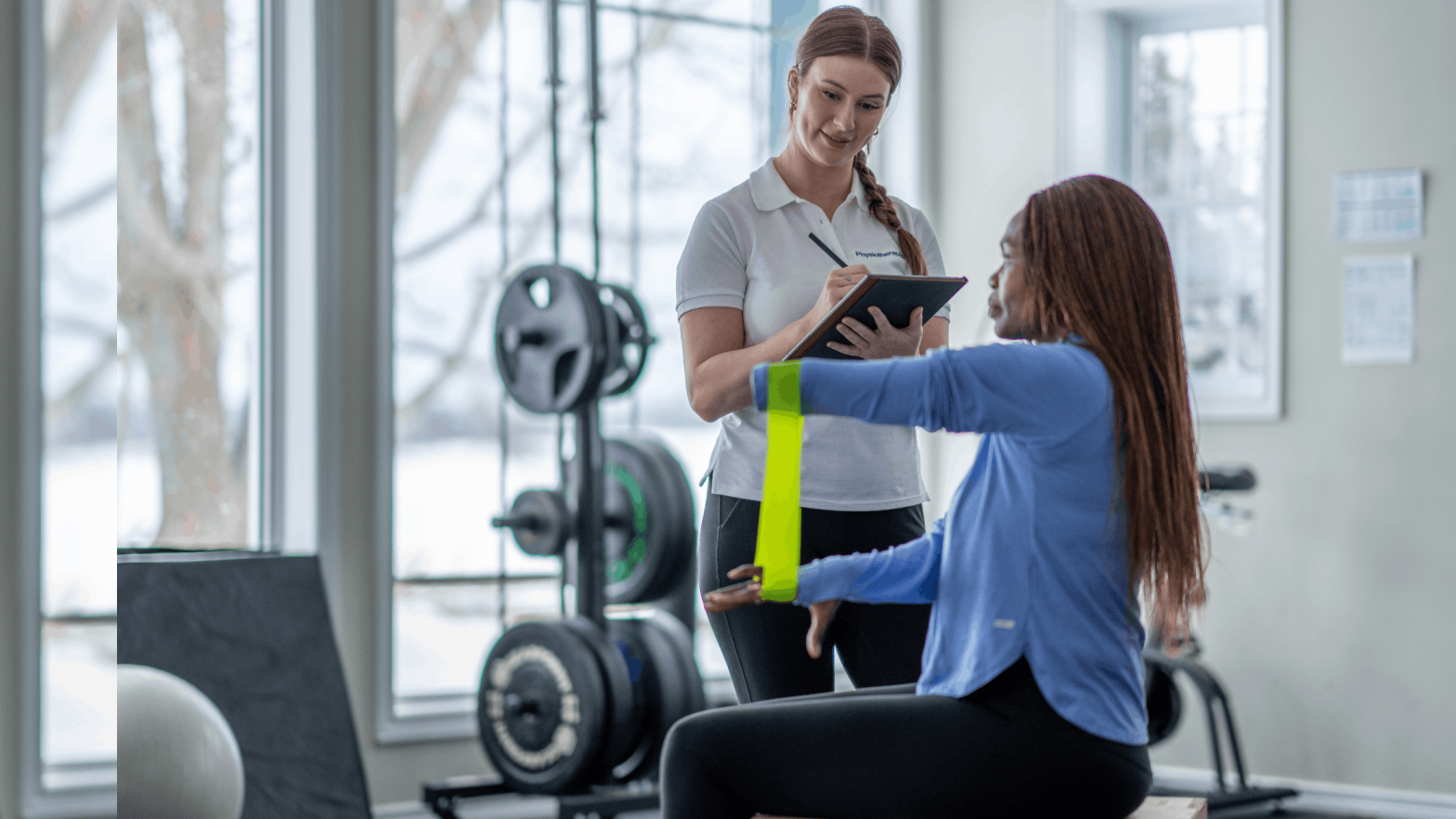
Bones respond positively to appropriate loading and movement. Resistance based exercises may help support bone density while also improving strength and stability.
Strength focused movement may also help support:
• Better posture
• Improved walking confidence
• Increased balance
• Reduced fall risk
• Greater independence with daily tasks
Importantly, strength training does not need to involve extreme workouts or heavy lifting.
For many people, gradual and guided exercises tailored to their comfort and ability level may provide meaningful benefits.
Walking Alone Is Helpful but Often Not Enough
Walking is excellent for overall health and mobility.
However, many people assume walking is the only activity needed for bone health.
While walking may help support cardiovascular health, circulation, and general activity levels, bones also benefit from resistance and strength focused movement patterns.
A balanced approach often includes both regular walking and some form of resistance based exercise.
This combination may help support better long term outcomes for mobility and physical resilience.
Balance Confidence Becomes Increasingly Important
One of the biggest concerns surrounding reduced bone density is fall risk.
As balance changes develop, many individuals begin feeling less confident with movement. This may cause them to avoid stairs, outdoor walking, exercise classes, or activities they previously enjoyed.
Unfortunately, becoming less active may sometimes contribute to additional weakness and instability.
Improving balance confidence is often an important part of supporting long term independence and quality of life.
Posture Can Influence Movement Efficiency
Posture changes commonly occur alongside weakness and reduced mobility.
Rounded shoulders, forward head posture, and reduced spinal mobility may affect how efficiently the body moves during daily tasks.
In some individuals with significant bone density changes, spinal compression may also contribute to posture alterations.
Improving posture is not simply about standing taller. It may also help support:
• Better movement mechanics
• Improved breathing patterns
• Reduced strain during activity
• Greater confidence with movement
Sedentary Lifestyles Create Challenges
Modern life often encourages long periods of sitting.
Desk work, screen time, driving, and reduced daily movement can gradually contribute to stiffness, weakness, and declining physical resilience.
Bones and muscles thrive on regular movement.
Even small increases in daily activity may help support healthier movement patterns and overall physical function over time.
Nutrition Remains Important for Bone Health
Exercise is important, but proper nutrition also plays a major role in supporting healthy bones.
Key nutritional factors often include adequate intake of:
• Calcium
• Vitamin D
• Protein
• Hydration
Many people underestimate the role overall nutrition plays in supporting movement, recovery, and physical resilience.
Healthy habits tend to work best when movement and nutrition support each other together.
Fear Often Limits People More Than Physical Ability
One of the biggest emotional barriers many people face is fear of injury or falling.
Even individuals who are physically capable may begin limiting movement because they no longer feel fully confident in their balance or strength.
This hesitation can gradually affect:
• Social activities
• Exercise routines
• Travel
• Outdoor activities
• Overall independence
Supporting confidence with movement is just as important as improving physical strength itself.
It Is Never Too Early to Support Bone Health
Many people believe bone health only matters once they are older.
In reality, supporting strength, mobility, posture, and activity levels earlier in life may help create better long term outcomes later.
Healthy movement habits developed now may continue supporting function and independence for years to come.
Consistency Matters More Than Perfection
One of the most encouraging things about bone health is that small consistent habits often make a meaningful difference over time.
People do not need perfect routines to support healthier aging.
Simple strategies such as regular walking, strength exercises, balance work, mobility training, and staying physically active throughout the day may all contribute positively.
Consistency often creates far better long term results than short periods of intense effort followed by inactivity.
Healthy Aging Is About Staying Capable
At the end of the day, most people simply want to keep doing the things they enjoy for as long as possible.
They want to remain active with family, travel confidently, continue hobbies, exercise safely, and maintain independence throughout life.
Supporting osteo bone health is really about supporting that bigger goal.
Strong bones, healthy muscles, and confident movement all work together to help people stay capable and active long term.
Looking for Support for Bone Health and Mobility?
If you are concerned about bone health, balance, posture, strength, or maintaining mobility as you age, our team is here to help.
At Houghton Physical Therapy, we focus on helping people improve strength, confidence, and movement so they can continue living active and independent lives.
A free discovery visit offers an opportunity to discuss your goals, ask questions, and learn more about supportive strategies designed to improve long term movement and bone health.
Get in touch today to schedule your free discovery visit and take the first step toward healthier aging and stronger movement.
Tags: mobility, osteo bone health, staying strong