
Self Care Is More Than a Treat. It Is a Strategy
Most people today are busy, stressed, and carrying more tension than they realize. Long workdays, time on your feet, sitting at a desk, training hard, or simply keeping up with family life can all add up. Tight shoulders, sore hips, aching backs, and poor sleep start to feel normal.
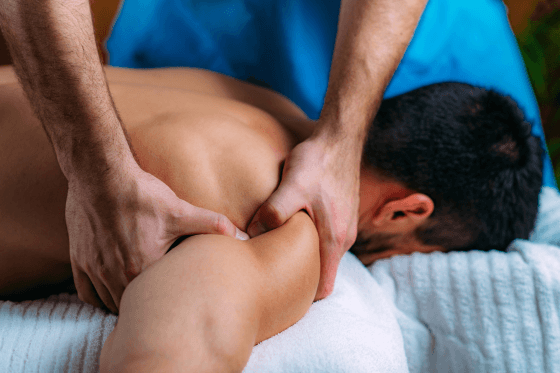
When discomfort shows up, massage is often the first thing people reach for. And honestly, that is not a bad instinct. Massage can feel incredible. It helps you slow down, breathe deeper, and finally let your body relax.
But here is where confusion often sets in. Not all pain is created equal. Some discomfort is about stress and overload. Other pain is your body signaling that something deeper is off.
Understanding the difference between relief and resolution is key. Massage can absolutely help your body feel better. Physical therapy helps your body work better. When you understand how they fit together, self care becomes more than a temporary fix. It becomes a long term strategy.
The Role of Massage in a Healthy Self Care Routine
Massage plays an important role in keeping your body and nervous system regulated. When life gets busy, muscles tighten and your nervous system stays in a constant state of alert. Massage helps interrupt that cycle.
When added monthly or even quarterly, massage can support recovery and overall wellness. It is not just about relaxing muscles. It helps calm the nervous system and improve circulation throughout the body.
Massage can help with muscle tension that builds up from repetitive activity or stress. It often improves sleep quality by helping the body shift out of fight or flight mode. Increased circulation supports tissue health and recovery. Many people also notice less general stiffness and soreness, especially when massage is used consistently rather than only when pain peaks.
Massage is ideal for maintenance, recovery, and a mental and physical reset. It is a way to check in with your body before small issues turn into bigger ones.
The key takeaway is simple. Massage helps your body feel better.
Types of Massage and Their Unique Benefits
There are many different styles of massage, each with a specific purpose. Understanding the differences helps you choose what your body needs most.
Swedish Massage
This style uses gentle, flowing strokes designed to promote relaxation and improve circulation. It is ideal for stress reduction and overall tension relief.
Deep Tissue Massage
This approach targets deeper layers of muscle and connective tissue. It is often used for stubborn tension or chronic tightness that does not respond to lighter pressure.
Sports Massage
Designed for active bodies, sports massage focuses on recovery, flexibility, and injury prevention. It can be useful before or after training or during periods of higher activity.
Therapeutic or Relaxation Massage
This style focuses on calming the nervous system and reducing full body tension. It is less about specific problem areas and more about restoring balance.
Massage techniques can be powerful, but they all share one common goal. Global relief.
When Massage Is Enough and When It Is Not
Massage is a great choice when you feel tight, stressed, or run down. It works well when discomfort is occasional, vague, or clearly linked to stress or overuse.
However, massage may not be enough when pain keeps coming back in the same spot. If symptoms are worsening over time, affecting how you move, sleep, or train, or forcing you to modify your daily life, something more is likely going on.
Recurring pain is your body asking for investigation, not just relief. That is where physical therapy comes in.
What Makes Physical Therapy Different
Physical therapy is not just about treating symptoms. It is about problem solving.
At Houghton Physical Therapy, every session is intentionally designed. Care is science based and personalized to your body, your lifestyle, and your goals.
Physical therapy often includes hands on techniques that feel similar to massage, including manual therapy, trigger point work, and instrument assisted soft tissue techniques like Graston. But that is only one piece of the puzzle.
Sessions also include mobility and flexibility training, strengthening, and movement correction. Just as important, education is built into every visit so you understand what is happening in your body and how to prevent the issue from returning.
The difference is focus. Physical therapy looks at why pain exists, not just where it hurts.
60 Minutes of Massage vs 60 Minutes of Physical Therapy
Both massage and physical therapy are valuable. They simply serve different purposes.
A 60 minute massage session typically focuses on full body or targeted relaxation. It helps down regulate the nervous system and temporarily reduces tension and soreness. Most people leave feeling looser, calmer, and more relaxed.
A 60 minute physical therapy session is more investigative. It includes assessment of movement, strength, posture, and mechanics. Treatment combines hands on work with corrective exercise. You leave with a focused plan based on your specific issue and education on how to manage it moving forward.
Massage feels great today. Physical therapy builds confidence for tomorrow.
How Massage and Physical Therapy Work Best Together
Massage and physical therapy are not opposing options. They work best together.
Massage supports recovery, stress management, and maintenance. It keeps your body feeling good and helps manage the day to day load life places on it.
Physical therapy supports healing, long term change, and confidence in movement. It addresses the root cause so pain does not keep cycling back.
The best outcomes happen when massage helps your body relax and physical therapy helps it function well.
A Thought to Keep in Mind
“Massage helps your body relax. Physical therapy teaches your body how to stay that way.”
Other ways to think about it include:
Massage feels good today. Physical therapy makes tomorrow better.
Relief is important, but results are life changing.
Self care soothes the body. Smart care solves the problem.
Not Sure Which You Need? Start With a Conversation
You do not need to have all the answers before taking the first step. Listening to your body is often enough.
If you are unsure whether massage, physical therapy, or a combination of both is right for you, starting with a simple conversation can provide clarity. A Discovery Visit allows you to talk through what you are experiencing, ask questions, and understand your options without pressure.
Ignoring recurring discomfort rarely leads to long term improvement. Understanding it does.
The Goal Is Living Well, Not Just Feeling Better
Feeling better is important, but the real goal is living well. That means moving confidently, sleeping better, staying active, and trusting your body again.
When you focus on the root cause of discomfort and combine the right tools at the right time, self care becomes empowering rather than reactive. Massage and physical therapy each play a role in that process.
At Houghton Physical Therapy, care is about more than managing pain. It is about helping you build a body that supports the life you want to live, today and for years to come.
Tags: physical therapy, houghton physical therapy, massage therapy, self care